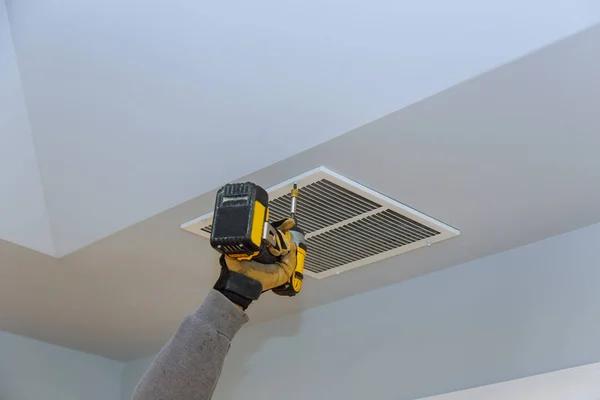
Heating and cooling systems play a crucial role in maintaining comfortable indoor environments throughout the year. These systems regulate temperature, humidity, and air quality to ensure that homes and buildings remain pleasant regardless of external weather conditions. At their core, heating and cooling systems work by transferring heat either into or out of a space, using various technologies designed to achieve this efficiently.
Heating systems are designed to increase indoor temperatures during cold weather. The most common types include furnaces, boilers, heat pumps, and electric heaters. Furnaces typically burn fuel such as natural gas or oil to generate heat. This heat warms the air circulated through ducts into rooms. Boilers operate differently by heating water that flows through pipes to radiators or underfloor heating elements, providing warmth via convection or radiation. Heat pumps offer an energy-efficient alternative by extracting heat from outside air even when it is cold and bringing it indoors; they can also reverse this process for cooling purposes.
Cooling systems remove excess heat from inside spaces during warm months. Air conditioners are the primary devices used for this purpose. They work by circulating refrigerant through coils that absorb indoor heat and release it outdoors while blowing cooled air back inside. Central air conditioning uses ductwork similar to heating systems for distribution, while window units cool individual rooms directly without ducts.
Many modern HVAC (heating, ventilation, and air conditioning) setups combine both functions into one system capable of switching between Scottsdale Heating and Cooling modes depending on seasonal needs. These integrated solutions often use thermostats with sensors that monitor temperature changes automatically adjusting system operation for optimal comfort and energy efficiency.
Ventilation is another important aspect connected with these systems because fresh air circulation improves indoor air quality by reducing pollutants, moisture buildup, and odors. Proper ventilation helps maintain healthy living conditions alongside effective temperature control.
Energy efficiency has become a major focus in designing heating and cooling equipment due to environmental concerns and cost savings for users over time. High-efficiency models use advanced technologies such as variable speed motors or smart controls that adapt performance based on actual demand rather than running continuously at full power.
Understanding how these components function together allows homeowners to make informed decisions about installation options suited to their climate zone, budget constraints, or specific comfort preferences. Regular maintenance like filter replacement ensures longevity while maximizing performance of existing units.
In summary, heating and cooling systems manage indoor climates by adding or removing heat using specialized equipment tailored for different settings-whether through burning fuel directly for warmth or cycling refrigerants for coolness-all supported by ventilation strategies aimed at preserving healthy airflow inside buildings year-round.