Category: Health

  • What Makes a Relaxation Method Truly Effective

    What Makes a Relaxation Method Truly Effective

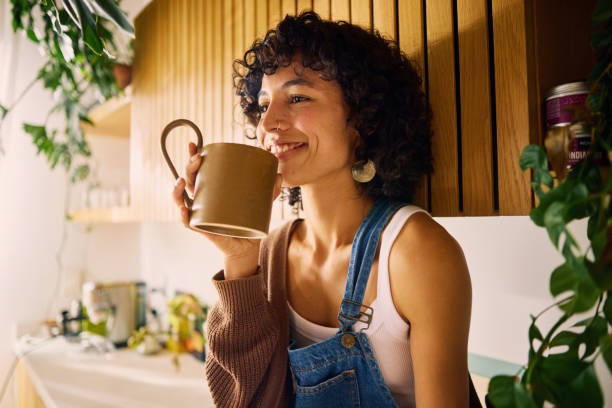
    An effective relaxation method is one that consistently helps individuals reduce stress and promote a state of calmness, both mentally and physically. The foundation of any successful technique lies in its ability to engage the person fully, allowing them to shift focus away from stressors and toward a more peaceful experience. This engagement often involves a combination of mental concentration, controlled breathing, and physical stillness or gentle movement. When these elements work together harmoniously, they create an environment where the body can lower heart rate, decrease muscle tension, and regulate blood pressure.

    Another critical aspect that determines the effectiveness of a relaxation method is its adaptability to individual needs and preferences. People vary widely in what brings them comfort; some may find deep breathing exercises calming while others prefer guided imagery or progressive muscle relaxation. A truly effective approach respects these differences by offering flexibility without compromising core principles that facilitate relaxation. Additionally, methods that are easy to learn and integrate into daily routines tend to have higher success rates because consistency plays a key role in managing stress over time.

    The scientific basis behind many recognized relaxation techniques also contributes significantly to their effectiveness. Techniques supported by research demonstrate measurable benefits such as reduced cortisol levels or improved mood states after practice sessions. This evidence provides reassurance that the best vape carts method does more than simply distract from anxiety-it actively influences physiological processes linked with stress reduction. Moreover, methods grounded in mindfulness encourage present-moment awareness without judgment, helping individuals break patterns of negative thinking which often exacerbate feelings of tension.

    A further factor influencing effectiveness is the environment in which relaxation takes place. Quiet surroundings free from interruptions enable deeper immersion into the practice, enhancing outcomes considerably compared to noisy or chaotic settings. Personal comfort during sessions-such as comfortable seating or appropriate lighting-also supports sustained engagement with the technique.

    Finally, motivation and mindset play crucial roles when practicing any relaxation strategy. Approaching the process with openness and patience allows for gradual improvements rather than expecting immediate results. Over time, regular use strengthens resilience against everyday pressures by training both mind and body how to return swiftly from heightened states of arousal back toward equilibrium.

    In summary, an effective relaxation method combines focused attention techniques with physiological regulation mechanisms tailored to personal preferences within conducive environments while being practiced consistently with positive intent over time. This blend ensures lasting benefits beyond temporary relief making it a valuable tool for overall well-being enhancement.

  • How to Improve Your Overall Health Naturally

    How to Improve Your Overall Health Naturally

    Improving overall health naturally is a holistic approach that encompasses physical, mental, and emotional well-being. It involves making lifestyle changes that are sustainable and beneficial in the long run. One of the fundamental aspects of enhancing health naturally is through a balanced diet. Consuming a variety of whole foods such as fruits, vegetables, lean proteins, and whole grains provides essential nutrients that support bodily functions. Reducing processed foods and sugars can significantly improve energy levels and reduce the risk of chronic diseases.

    Incorporating regular physical activity into daily routines is another crucial element. Exercise not only helps maintain a healthy weight but also boosts mood by releasing endorphins, which are natural stress relievers. Activities like walking, cycling, yoga, or dancing can be enjoyable ways to stay active without feeling like it’s a chore.

    Adequate hydration plays an essential role in maintaining optimal health. Water aids digestion, regulates body temperature, and supports cognitive function. Drinking sufficient water throughout the day ensures that these processes operate efficiently.

    Quality sleep is often underestimated yet vital for good health. Establishing a regular sleep schedule by going to bed and waking up at the same time each day can improve sleep quality. Creating a relaxing bedtime routine free from discover more screens helps signal to your body that it’s time to wind down.

    Managing stress effectively is key to preventing its negative impact on both mental and physical health. Techniques such as meditation, deep breathing exercises, or spending time in nature can help reduce stress levels significantly.

    Building strong social connections also contributes positively to overall well-being. Engaging with family and friends provides emotional support during challenging times while fostering feelings of belongingness.

    Avoiding harmful habits like smoking or excessive alcohol consumption further enhances natural health improvement efforts by reducing risks associated with these behaviors including heart disease or liver damage respectively.

    Mindfulness practices encourage living in the present moment rather than dwelling on past regrets or future anxieties which promotes mental clarity along with emotional stability over time when practiced consistently enough alongside other healthy habits mentioned above already discussed earlier too!

    Finally yet importantly remember always listen closely pay attention carefully signals sent out internally externally alike given particularly concerning any discomfort pain experienced anywhere within yourself because sometimes they might indicate underlying issues requiring immediate medical intervention despite best efforts made towards achieving better healthier lifestyle choices still ultimately proving insufficient alone without professional guidance advice offered qualified healthcare providers whenever necessary!

  • Learning to Make Informed Health Choices

    Learning to Make Informed Health Choices

    Making informed health choices is an essential skill that empowers individuals to take control of their well-being and lead healthier lives. In today’s world, where information is abundant yet often conflicting, the ability to critically evaluate health-related data and advice becomes crucial. Learning to make informed health decisions involves understanding one’s own body, recognizing credible sources of information, and applying knowledge thoughtfully in daily life.

    The first step toward making informed health choices is developing a basic understanding of human biology and common health principles. This foundation helps individuals interpret symptoms accurately and distinguish between normal bodily functions and signs that require medical attention. For example, knowing the difference between typical fatigue after exercise and persistent exhaustion can prompt timely consultation with healthcare professionals rather than self-diagnosing or ignoring warning signs.

    Another important aspect is cultivating critical thinking skills when encountering Health awareness information from various media outlets. The internet offers a wealth of resources on nutrition, fitness, mental health, medications, and treatments; however, not all sources are reliable or evidence-based. Learning to identify trustworthy websites-such as those affiliated with government agencies or recognized medical institutions-is vital. Additionally, understanding scientific terminology and research methods enables people to assess whether claims are supported by valid studies or anecdotal evidence.

    Consulting healthcare providers remains a cornerstone in making sound health decisions. Professionals such as doctors, dietitians, therapists, or pharmacists provide personalized advice tailored to individual needs based on medical history and current conditions. Open communication during consultations allows patients to ask questions about risks versus benefits of treatments or lifestyle changes before committing to them.

    Furthermore, adopting a proactive approach toward preventive care significantly contributes to better outcomes over time. Regular screenings for blood pressure, cholesterol levels, cancer markers like mammograms or colonoscopies help detect potential issues early when interventions are more effective. Vaccinations protect against infectious diseases while maintaining a balanced diet rich in fruits vegetables whole grains lean proteins supports immune function.

    Mental well-being also plays an integral role in overall health decision-making processes since stress management influences physical conditions such as heart disease or diabetes control adherence medication regimens effectively requires motivation which stems from positive psychological states fostered through mindfulness practices social support networks adequate sleep routines.

    Incorporating these elements into everyday life creates habits that promote long-term wellness rather than reactive measures once illness occurs. Education systems can contribute by integrating comprehensive health literacy programs encouraging youth awareness about nutrition exercise substance abuse prevention sexual education mental resilience thereby preparing future generations equipped with tools necessary for navigating complex healthcare landscapes confidently.