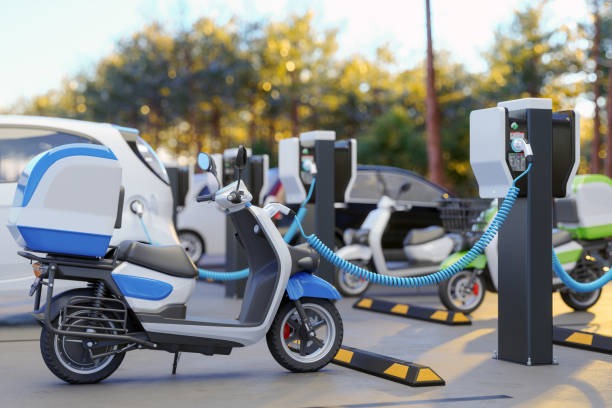
As the world moves towards sustainable energy solutions, integrating electric vehicles (EVs) with solar power systems is becoming an increasingly popular choice for environmentally conscious homeowners. Preparing your home for this integration not only reduces your carbon footprint but also offers long-term financial benefits. Here’s how you can effectively prepare your home for electric vehicles with solar integration.
Firstly, assess your current electrical infrastructure. Electric vehicles require a significant amount of electricity to charge efficiently; thus, ensuring that your home’s electrical system can handle this demand is crucial. It might be necessary to upgrade your electrical panel or install additional circuits dedicated to EV charging stations. Consulting with a licensed electrician will provide insights into any upgrades needed and ensure compliance with local codes and regulations.
Next, consider the installation of a solar power system if you haven’t already done so. Solar panels harness sunlight and convert it into electricity, providing a renewable source of energy that can significantly reduce or even eliminate reliance on traditional grid power. When planning for solar installation, evaluate factors such as roof space, orientation, and shading to optimize efficiency. A professional solar installer can conduct an assessment and recommend the best configuration tailored to your needs.
Once both learn more here systems are in place, it’s time to integrate them seamlessly. Installing a smart charging station is essential for managing the relationship between EV charging and solar energy production effectively. These smart chargers can be programmed to charge during peak sunlight hours when solar generation is highest or schedule charging during off-peak times when utility rates are lower if you’re still partially reliant on grid electricity.
Energy storage solutions like battery systems should also be considered in this setup. Batteries store excess solar energy generated during the day which can then be used at night or during periods of low sunlight—ensuring that your vehicle has access to clean energy whenever needed without drawing from the grid unnecessarily.
Monitoring plays a vital role in optimizing both EV charging and solar utilization strategies over time. Implementing an integrated monitoring system allows homeowners to track real-time data on their energy consumption patterns alongside their generation capacity from their installed photovoltaic array—providing insights into potential areas where efficiency improvements could be made further down line through behavioral adjustments alone!
In conclusion: preparing one’s abode adequately ahead involves careful consideration across several key areas including existing infrastructure readiness; strategic planning around new installations such as photovoltaic arrays plus associated peripherals alike; finally ongoing management via advanced technologies designed specifically toward maximizing overall performance outcomes sustainably moving forward!