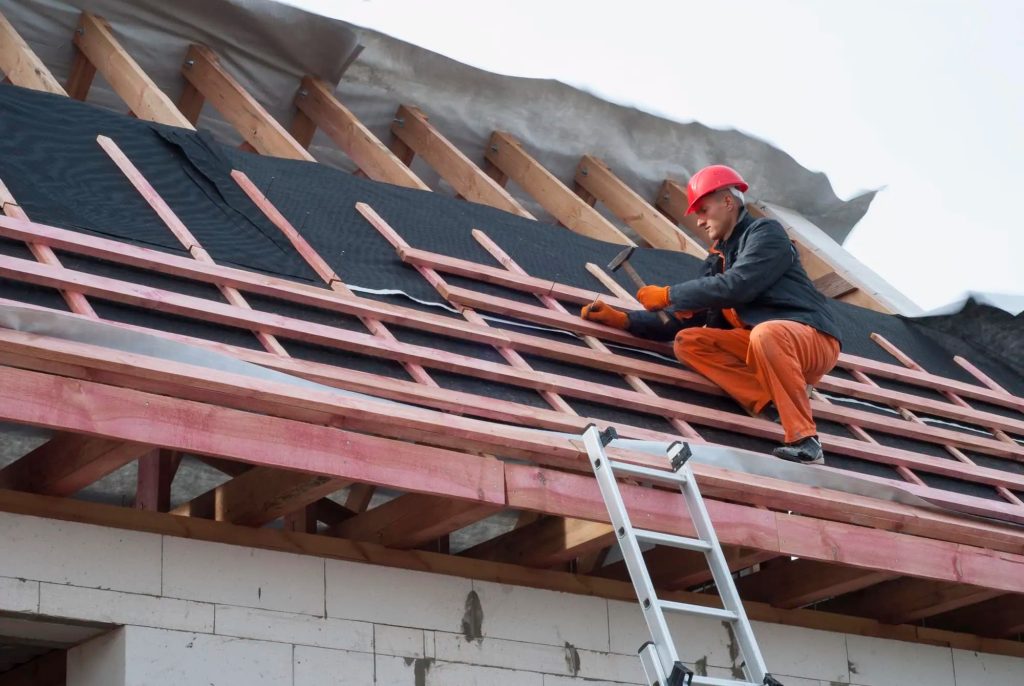

Inspecting a roof in Hanover requires a systematic approach to ensure the structure remains sound and weather-resistant throughout the year. The process begins with an external examination from the ground, where you observe the overall condition of the roof’s surface. Look for any visible signs of damage such as missing, cracked, or curled shingles, which can indicate wear or storm impact. Pay close attention to discoloration or streaks that might suggest algae growth or water damage. Next, inspect the flashing around chimneys, vents, and skylights; these metal pieces prevent water from seeping into vulnerable areas and should be firmly attached without rust or gaps.
After completing a visual survey from below, it is essential to access uncover the secrets roof safely using a ladder designed for stability on uneven surfaces typical in Hanover’s residential areas. Once on top, walk carefully along different sections while wearing proper footwear to avoid slipping. Check for loose shingles by gently lifting edges and examine underlayment exposure which could lead to leaks if left unaddressed. Additionally, inspect valleys where two slopes meet since these are common points for debris accumulation and subsequent water pooling.
The gutters deserve thorough scrutiny during your inspection because they play a crucial role in directing rainwater away from your home’s foundation. Clear out leaves and other blockages that can cause overflow and potentially damage fascia boards beneath them. Verify that downspouts channel water at least three feet away from your house to prevent soil erosion near the basement walls.
Inside your attic space is another critical area often overlooked during roofing inspections in Hanover. Use adequate lighting to look for daylight penetrating through cracks in roofing materials above; this indicates potential leak points during heavy rainfalls common in this region. Inspect wooden rafters and trusses for signs of mold growth or wood rot caused by prolonged moisture exposure.
Finally, evaluate insulation levels within the attic since inadequate insulation may contribute indirectly to roof deterioration by causing ice dams during winter months-a frequent concern due to Hanover’s climate patterns involving snow accumulation followed by thaw cycles.
A comprehensive roofing inspection combines exterior observations with internal checks ensuring all elements function cohesively against weather challenges specific to Hanover’s environment. Regularly conducting such assessments helps homeowners detect minor issues early before they escalate into costly repairs while maintaining structural integrity over time through preventive maintenance efforts aligned with local conditions and building standards prevalent in this area of Germany.