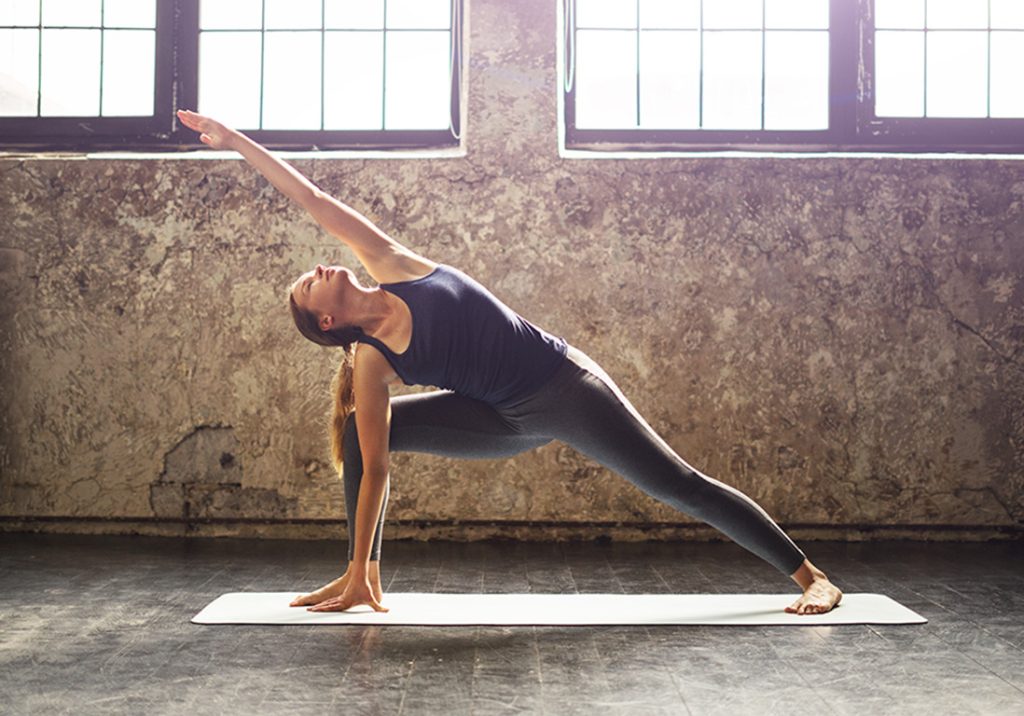

Achieving a harmonious balance between mind and body is essential for overall well-being, and movement combined with meditation offers a powerful approach to this goal. Movement engages the physical body, promoting circulation, flexibility, and strength, while meditation nurtures mental clarity, emotional stability, and stress reduction. Together, they create a comprehensive practice that supports health on multiple levels.
Physical activity stimulates the nervous system and releases endorphins-natural mood enhancers-that contribute to feelings of happiness and relaxation. Whether through gentle yoga stretches or more vigorous aerobic exercises like jogging or swimming, moving the body helps reduce tension accumulated from daily stressors. This release of physical tension often translates into mental relief because our bodies hold onto emotions; when muscles relax through movement, it becomes easier to experience calmness in the mind as well.
Meditation complements movement by training attention and fostering mindfulness-the ability to stay present without judgment. Regular meditation practice can improve concentration, decrease anxiety levels, and promote emotional resilience. By sitting quietly or engaging in guided breathing exercises after physical activity, individuals can deepen their connection with themselves. This inward focus allows for greater awareness of thoughts and sensations without becoming overwhelmed by them.
Integrating movement with meditation creates a cycle where each enhances read more articles the other’s benefits. For example, mindful walking encourages paying close attention to each step’s sensation while moving rhythmically through space. This practice grounds awareness in both body and environment simultaneously. Similarly, combining breath-focused meditation with stretching routines helps synchronize breath patterns with muscle movements which improves coordination between mind signals and bodily responses.
The synergy between these practices also fosters better sleep quality since both reduce cortisol-the hormone associated with stress-and promote relaxation before bedtime. Improved rest contributes further to balanced cognitive function during waking hours by supporting memory retention and problem-solving skills.
Incorporating simple habits such as dedicating time daily for moderate exercise followed by brief meditation sessions can significantly impact long-term health outcomes without requiring extensive resources or specialized equipment. It is important to personalize routines according to individual preferences and physical capabilities ensuring sustainability over time rather than forcing rigid schedules that may lead to burnout.
Ultimately, cultivating mind-body balance through intentional movement paired with focused meditation provides an accessible pathway toward enhanced vitality and inner peace amidst today’s fast-paced lifestyle demands. Embracing these complementary techniques empowers individuals not only physically but mentally as well-creating resilience against stress while nurturing holistic wellness from within outwards.