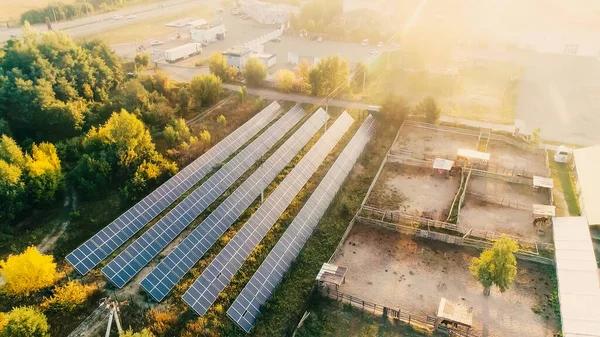
Solar panels have become an integral part of the global shift towards renewable energy, offering a sustainable solution to meet increasing energy demands. As technology advances, upgrading existing solar panel systems can significantly enhance energy production, providing both economic and environmental benefits.
One of the primary advantages of upgrading solar panels is improved efficiency. Newer models are designed with advanced photovoltaic technologies that convert sunlight into electricity more effectively than older versions. This means that for the same amount of sunlight, upgraded panels can produce more electricity. Enhanced efficiency not only increases the overall output but also optimizes space utilization on rooftops or solar farms, allowing for greater power generation without requiring additional land or structural changes.
Moreover, technological advancements have led to the development of bifacial solar panels capable of capturing sunlight from both sides. By utilizing reflected light from surfaces like roofs or ground areas beneath them, these panels boost energy production by up to 30%. Such innovations make upgrades particularly beneficial in regions with limited space but high reflective potential.
Upgrading also extends to improvements in inverter technologies which play a critical role in converting direct current (DC) generated by solar panels into alternating current (AC) used by most household appliances read full article and grid systems. Modern inverters offer higher conversion efficiencies and better reliability compared to older models. They often come equipped with smart technology features that allow real-time monitoring and optimization of system performance through mobile apps or web interfaces.
In addition to increased efficiency and output, upgrading solar panel systems can lead to substantial cost savings over time. While there is an initial investment involved in replacing outdated components or installing new ones, the long-term financial benefits often outweigh these costs. Enhanced energy production reduces reliance on grid electricity, leading to lower utility bills and faster return on investment.
Furthermore, many governments offer incentives such as tax credits or rebates for adopting newer renewable technologies which can offset upgrade expenses significantly. Environmental impact is another compelling reason for considering a solar panel upgrade. More efficient systems contribute less carbon footprint per unit of electricity generated compared to their predecessors due to reduced material usage relative to output levels achieved—aligning well with global sustainability goals aimed at reducing greenhouse gas emissions.
Finally yet importantly are durability enhancements seen within modernized solutions; they tend toward longer lifespans under warranty coverage alongside increased resilience against weather-related wear-and-tear factors—thus ensuring consistent service delivery across extended periods without frequent maintenance interruptions typically associated otherwise within aging setups needing constant attention due largely unto component fatigue issues arising therein eventually over time if left unaddressed proactively beforehand via timely intervention measures taken accordingly when deemed necessary indeed!