Category: Product

  • Upgrade Your Food Service Setup With a Food Warmer Display

    Upgrade Your Food Service Setup With a Food Warmer Display

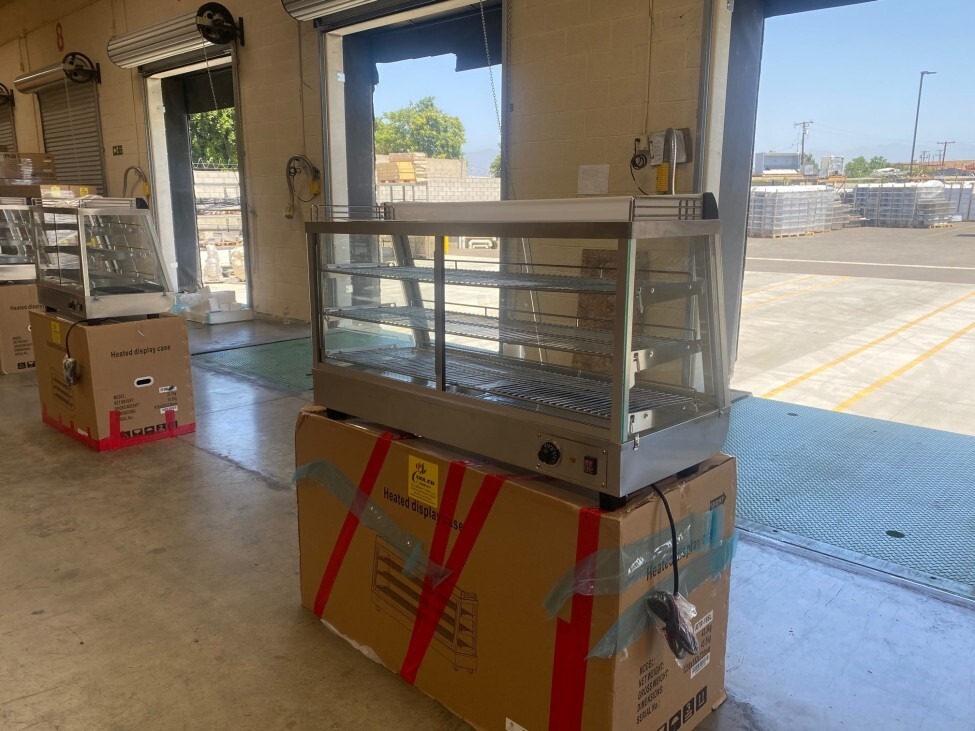
    Upgrading a food service setup with a food warmer display can significantly enhance both the efficiency and appeal of any dining establishment. Food warmer displays are designed to maintain optimal temperatures for prepared foods while showcasing them attractively to customers. This dual function not only ensures that meals remain fresh and safe for consumption but also encourages impulse buying by making dishes visually accessible. Incorporating such equipment into a kitchen or serving area can streamline operations, reduce waste, and improve customer satisfaction.

    One of the primary advantages of using a food warmer display is its ability to keep food at consistent temperatures without drying it out or compromising quality. Unlike traditional warming methods that may overheat or unevenly heat items, these displays use precise temperature controls tailored to different types of cuisine. This technology helps preserve texture, flavor, and moisture content, which is essential when serving ready-to-eat meals in cafeterias, buffets, delis, or catering events. By maintaining ideal conditions throughout service hours, businesses can confidently present their offerings knowing they meet health standards and taste expectations.

    In addition to functional benefits, the visual impact provided by a food warmer display plays an important role in attracting customers’ attention. The transparent glass panels allow diners to see available options clearly without opening lids or containers repeatedly-this reduces heat loss and contamination risks while creating an inviting atmosphere. Proper lighting within the unit further enhances the presentation by highlighting colors and textures that make dishes more appealing. When food looks appetizing under warm illumination, patrons are more likely to make spontaneous purchases or try new menu items.

    From an operational standpoint, investing in a high-quality food warmer display supports better inventory management by keeping products visible yet protected until sold. Staff members spend less time monitoring temperature fluctuations because automated systems handle adjustments automatically based on preset parameters. This reliability frees employees to focus on other tasks like customer service or preparation work instead of constantly checking equipment performance during busy periods.

    Choosing the right model depends on factors such as capacity requirements, available space, energy efficiency preferences, and specific menu needs. Options range from countertop units suitable for small cafés to larger floor-standing versions ideal for extensive buffet lines or high-traffic environments. Selecting features like adjustable shelves or humidity control can further tailor functionality according to unique business demands.

    Overall, integrating a Food Warmer Display service setup offers measurable improvements in product quality maintenance combined with enhanced merchandising capabilities. It creates an environment where both staff efficiency and customer experience benefit simultaneously through reliable heating technology coupled with attractive presentation design elements that stimulate sales growth while preserving culinary standards consistently throughout operating hours.

  • How Long Does a Mini Split AC Last

    How Long Does a Mini Split AC Last

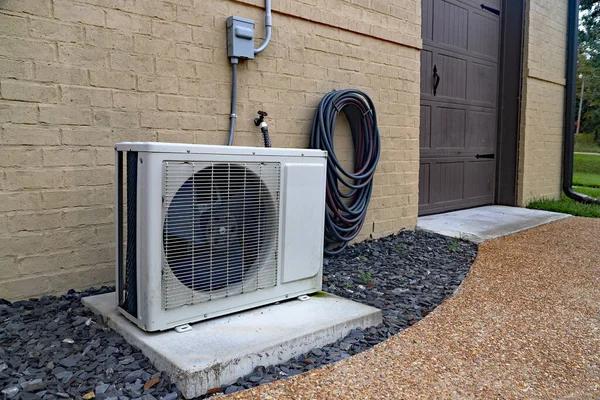
    Mini split air conditioners have become a popular choice for homeowners seeking efficient and flexible cooling solutions. Understanding how long a mini split AC lasts is important for making informed decisions about installation, maintenance, and eventual replacement. On average, a well-maintained mini split system can last between 12 to 15 years. However, several factors influence this lifespan, including usage patterns, maintenance routines, unit quality, and environmental conditions.

    The durability of a mini split AC largely depends on its components and how they are cared for over time. Regular maintenance plays a crucial role in extending the life of the system. This includes cleaning or replacing filters every few months to ensure proper airflow and prevent dust buildup that can strain the compressor. Additionally, scheduling professional inspections annually helps identify potential issues early before they lead to costly repairs or premature failure.

    Usage intensity also affects longevity. Units running continuously during hot summer months experience more wear compared to those used occasionally or seasonally. Properly sizing the unit for the space it cools prevents excessive cycling on and off, which can reduce stress on mechanical parts such as compressors and fans.

    Environmental factors like humidity levels, air quality, and exposure to corrosive elements impact how quickly parts degrade. For instance, systems installed near salty coastal areas may suffer from corrosion faster than those in inland locations with drier climates. Ensuring adequate protection from weather elements by installing outdoor units in shaded or sheltered spots can help mitigate these effects.

    Technological advancements have improved both efficiency and reliability in recent Mini Split AC models compared to older versions. Investing in reputable brands known for durable components often results in longer-lasting performance with fewer breakdowns over time.

    When signs of aging appear-such as unusual noises, reduced cooling capacity, frequent cycling on/off cycles-it may indicate that the system is nearing the end of its useful life or requires significant repairs. Replacing an outdated mini split might be more cost-effective than continuous fixes due to improvements in energy efficiency offered by newer models.

    In summary, while mini split air conditioners typically last around 12 to 15 years under normal conditions with proper care, their lifespan varies based on maintenance habits, usage frequency, environmental influences, and product quality. Taking proactive steps like routine filter changes and professional check-ups will maximize operational longevity and keep your indoor environment comfortable throughout many seasons ahead.

  • A Complete Guide to Finding the Perfect Window Air Conditioner

    A Complete Guide to Finding the Perfect Window Air Conditioner

    Choosing the right window air conditioner can significantly improve comfort during hot weather while helping to manage energy costs effectively. To find the perfect unit, it is essential to consider several factors that influence performance and suitability for your space. The first step involves measuring the area you want to cool. Window air conditioners are rated by their cooling capacity, measured in British Thermal Units (BTUs). Selecting a unit with an appropriate BTU rating ensures efficient cooling without wasting energy or causing excessive noise from overworking.

    Next, assess the size and type of window where you plan to install the air conditioner. Most models are designed for standard double-hung windows but vary in width and height requirements. Make sure to check both dimensions carefully before purchasing. Some units come with adjustable side panels or installation kits that accommodate different window sizes, which can simplify setup if your window dimensions fall outside typical ranges.

    Energy efficiency is another crucial aspect when choosing a Window Air Conditioner. Look for units with an Energy Star certification, as these meet strict guidelines set by environmental agencies and typically consume less electricity than non-certified models. An energy-efficient appliance not only reduces utility bills but also minimizes environmental impact over time.

    Consider additional features that enhance convenience and usability. Many modern window air conditioners offer programmable timers allowing users to set operating hours according to their schedule, which helps save power when cooling is unnecessary. Remote controls provide ease of use from across the room, while multiple fan speeds allow customization of airflow intensity based on personal preferences or changing outdoor temperatures.

    Noise level plays an important role in comfort as well since some older or lower-quality models can produce disruptive sounds during operation. Check product reviews or manufacturer specifications regarding decibel ratings if quietness matters in your living space.

    Installation complexity varies between models; some require professional assistance due to weight or electrical wiring needs, whereas others are designed for straightforward self-installation with minimal tools required. Ensure you understand what’s involved beforehand so there are no surprises after purchase.

    Finally, factor in budget constraints alongside desired features and durability expectations when making your decision because investing in a reliable brand often pays off through longer lifespan and better customer support compared to cheaper alternatives prone to malfunctioning quickly.

    By carefully evaluating room size compatibility, energy efficiency standards, noise levels, feature sets, installation requirements, and cost considerations together rather than focusing on just one element alone will help you select a window air conditioner tailored precisely for your needs-resulting in optimal comfort throughout warm seasons without unnecessary expense or hassle.

  • Improve Food Service Efficiency with a Countertop Heated Display Case

    Improve Food Service Efficiency with a Countertop Heated Display Case

    In the fast-paced environment of food service, maintaining product quality while ensuring quick customer turnover is essential. A countertop heated display case offers an effective solution to improve efficiency by keeping food items warm and visually appealing without compromising freshness. These units are designed to maintain consistent temperatures, allowing foodservice operators to present ready-to-eat items in a manner that encourages impulse purchases and reduces wait times.

    One of the primary advantages of using a heated display case is its ability to keep pre-cooked foods at safe serving temperatures. This eliminates the need for reheating between orders, which can slow down service and affect taste or texture. By having hot foods readily available behind clear glass panels, staff members can quickly serve customers without delay. This streamlined process not only speeds up transactions but also helps manage peak hours more effectively by reducing bottlenecks at the counter.

    The visibility provided by these cases plays a crucial role in boosting sales and improving customer satisfaction. When customers can see freshly prepared items displayed attractively, they are more likely to make spontaneous purchases or select additional products. The warm lighting inside many models enhances the appearance of food, making it look inviting while preserving moisture levels so that items remain appetizing throughout service periods.

    Another important aspect is hygiene and safety compliance. Countertop heated display cases often feature easy-to-clean surfaces made from stainless steel or tempered glass, which resist stains and odors commonly associated with hot foods. This ensures that operators can maintain sanitary conditions with minimal effort during busy shifts. Additionally, temperature controls allow precise adjustments to meet health regulations for holding cooked foods safely over time.

    Energy efficiency has become increasingly important in commercial kitchens where equipment runs continuously during operating hours. Modern heated display cases incorporate advanced insulation materials and energy-saving heating elements that reduce power consumption without sacrificing performance. Investing in such equipment contributes not only to operational cost savings but also supports sustainability goals within foodservice establishments.

    For businesses aiming to enhance workflow on limited counter space, these compact units provide practical benefits without requiring extensive remodeling or additional footprint expansion. Their portability means they can be repositioned easily according to changing menu offerings or floor layouts, offering flexibility as business needs evolve.

    In summary, integrating a Countertop Heated Display Case into your foodservice operation improves both speed and presentation quality while supporting health standards and energy efficiency efforts. It enables quicker service delivery by keeping popular dishes accessible at optimal temperatures and enticingly displayed for customers’ convenience-all factors that contribute significantly toward increased profitability and smoother daily operations in any hospitality setting.