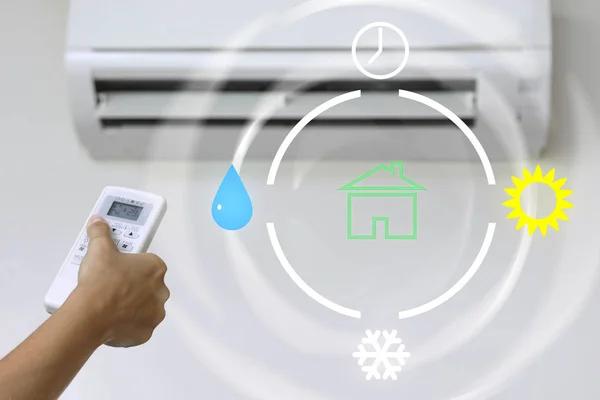
Air conditioning plays a crucial role in maintaining indoor air quality, which is essential for our health and well-being. While often associated with comfort during hot weather, air conditioning systems offer more than just temperature regulation. They are instrumental in improving indoor air quality by filtering pollutants, controlling humidity levels, and ensuring proper ventilation.
Indoor environments can harbor various pollutants such as dust mites, pet dander, mold spores, and volatile organic compounds (VOCs) emitted from household products. These contaminants can exacerbate allergies and respiratory issues. Air conditioning systems help mitigate these problems by circulating air through filters that capture particles and impurities. High-efficiency particulate air (HEPA) filters are particularly effective at trapping small particles like pollen and dust, significantly reducing the concentration of allergens indoors.
Humidity control is another significant benefit of air conditioning systems. Excessive humidity creates an ideal environment for mold growth and dust mites—both common triggers for allergic reactions and asthma attacks. By removing excess moisture from the air, air conditioners help maintain optimal humidity levels between 30-50%, inhibiting the proliferation of these harmful organisms.
Ventilation is also a critical component of maintaining good indoor air quality. Inadequate ventilation can lead to a buildup of carbon dioxide (CO2) levels, causing discomfort our website or even health issues such as headaches and fatigue. Modern HVAC systems are designed to bring in fresh outdoor air while expelling stale indoor air, ensuring a continuous exchange that keeps CO2 levels in check.
Moreover, modern advancements in smart technology have enhanced the efficiency of air conditioning units in monitoring and managing indoor environments automatically. Smart thermostats allow users to set preferences remotely via smartphones or other devices; some models even learn user habits over time to optimize settings without manual intervention.
Energy efficiency is another aspect where contemporary AC units excel compared to older models; they consume less power while providing superior performance due largely to improved design standards mandated by regulations worldwide aimed at reducing energy consumption footprints across industries including HVAC manufacturing processes themselves contributing positively towards environmental sustainability efforts globally too!
In conclusion: investing wisely into efficient reliable well-maintained properly installed serviced regularly functioning correctly adjusted appropriately sized suitable type equipped latest technology features capable handling specific needs requirements particular space involved key achieving better healthier cleaner safer living working conditions everyone concerned!