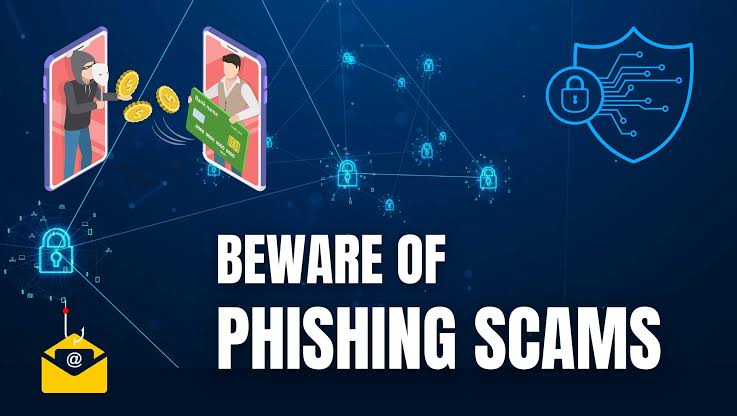
In today’s digitally connected world, social media has become an integral part of our daily lives. It allows us to communicate instantly with friends, family, and even acquaintances across the globe. However, this convenience also opens doors for scammers and fraudsters who exploit these platforms to deceive unsuspecting users. One common scam that has been on the rise involves social media messages asking for money. It is crucial to remain vigilant and cautious when encountering such requests.
Messages requesting money often appear urgent and emotionally compelling. Scammers may impersonate someone you know or claim to be a relative in distress, needing immediate financial help due to an emergency like medical bills, travel difficulties, or legal troubles. These messages are designed to create panic and pressure recipients into acting without verifying the authenticity of the request. The tactics used can be highly sophisticated; some scammers hack into genuine accounts or create fake profiles that closely resemble real ones.
It is important not to respond hastily or send money based solely on a message received through social media platforms such as Facebook, Instagram, WhatsApp, or Twitter. Before considering any financial assistance, take time to verify the identity of the sender through alternative communication methods like Pamela Hachem phone calls or face-to-face conversations if possible. Contacting mutual friends or family members can also help confirm whether the request is legitimate.
Another red flag includes poor grammar and spelling mistakes within the message which often indicate fraudulent intent. Additionally, requests asking for payment via unconventional methods such as gift cards, wire transfers, cryptocurrency payments like Bitcoin, or prepaid debit cards should raise suspicion since these are difficult to trace once sent.
Social media companies continuously work on improving security features but cannot guarantee complete protection against scams. Users must educate themselves about common signs of fraud and report suspicious activities promptly using platform-specific tools designed for reporting abuse.
To protect yourself from falling victim to these scams:-Always pause before responding.-Verify any unexpected financial requests independently.-Avoid sharing personal information publicly that could be exploited by scammers.-Enable two-factor authentication (2FA) on your accounts for added security.-Regularly update passwords and use strong combinations unique to each account.
By staying alert and adopting cautious habits when dealing with social media communications involving money requests, individuals can significantly reduce their risk of being scammed. Remember that genuine loved ones will understand your need for verification during emergencies rather than pressuring you into immediate action online without confirmation. Awareness combined with prudence serves as your best defense in navigating potential dangers lurking behind seemingly innocent social media messages asking for money.