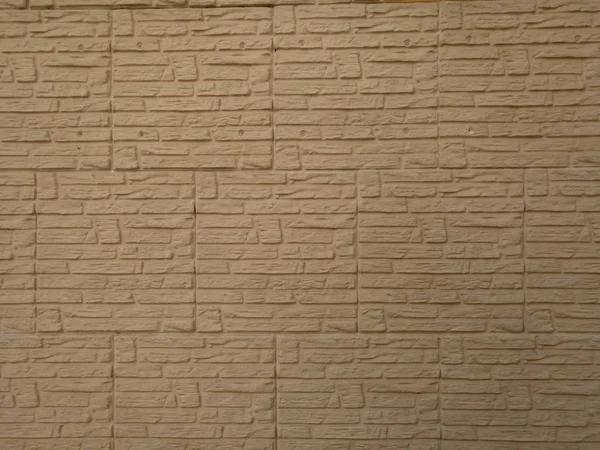
Creating safer indoor environments is a priority for homeowners, businesses, and public facilities alike. One of the most effective ways to enhance safety is by incorporating quality fire-resistant wall coverings. These specialized materials are designed to prevent the rapid spread of flames and reduce the risk of fire-related injuries or damage, making them an essential component in modern building safety strategies.
Fire-resistant wall coverings are engineered using materials that can withstand high temperatures and retard the ignition process. Unlike standard wall paints or wallpapers, these coverings serve as a passive fire protection system, maintaining the integrity of walls under fire exposure. This delay in fire spread provides crucial extra time for occupants to evacuate safely and for emergency services to respond effectively.
The benefits of installing fire-resistant wall coverings extend beyond immediate safety concerns. In commercial environments such as offices, schools, hospitals, and hotels, these coverings help meet stringent fire safety regulations and insurance requirements. Implementing such protective measures can also lead to lower insurance premiums, as insurers recognize the reduced risk of extensive fire damage.
There is a wide range of fire-resistant materials available for wall coverings, including gypsum boards with fire-retardant additives, mineral fiber panels, and specially treated fabrics. Each option offers varying levels find more on our website of fire protection, aesthetic appeal, and installation ease. For instance, gypsum boards are popular for their affordability and effectiveness, while mineral fiber panels offer excellent thermal insulation properties along with fire resistance.
When choosing fire-resistant wall coverings, it is important to consider the specific needs of the space. Factors such as the building’s function, occupancy load, existing fire safety systems, and local fire codes should guide the selection process. Consulting with fire safety experts or certified contractors ensures that the chosen materials comply with all safety standards and are installed correctly for maximum effectiveness.
Maintenance is another critical aspect of keeping indoor environments safe. Fire-resistant wall coverings should be regularly inspected for damage, wear, or deterioration that could compromise their protective qualities. Prompt repair or replacement of affected areas is necessary to maintain the overall fire safety integrity of the building.
In conclusion, integrating quality fire-resistant wall coverings into indoor environments is a proactive approach to fire safety. These materials not only help protect lives and property but also contribute to peace of mind for occupants and owners alike. By prioritizing fire-resistant solutions, building managers and homeowners can create safer, more resilient spaces that stand up to fire hazards more effectively.